

A dream many people share
For many, it fulfils a long-held wish: the natural sound of a piano, filling your own room. A pianist who plays for you whenever you like — to be enjoyed from the comfort of your armchair.
The real thing, not digital
A self-playing piano is not a digital instrument. You hear the real, live sound of a genuine piano — exactly as if a pianist were sitting at the keyboard, only invisible. There is a world of difference between hearing piano music through a speaker and hearing it played live, on a real instrument.
The control is in your hands
The piano plays what you want, when you want. You start it and stop it whenever you like — the experience is entirely in your hands.
For everyone who loves the piano
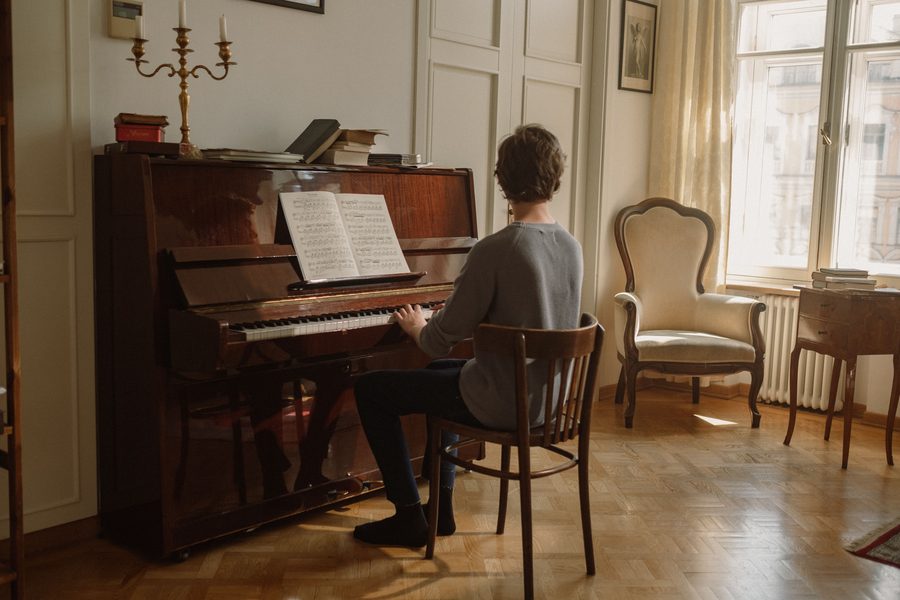
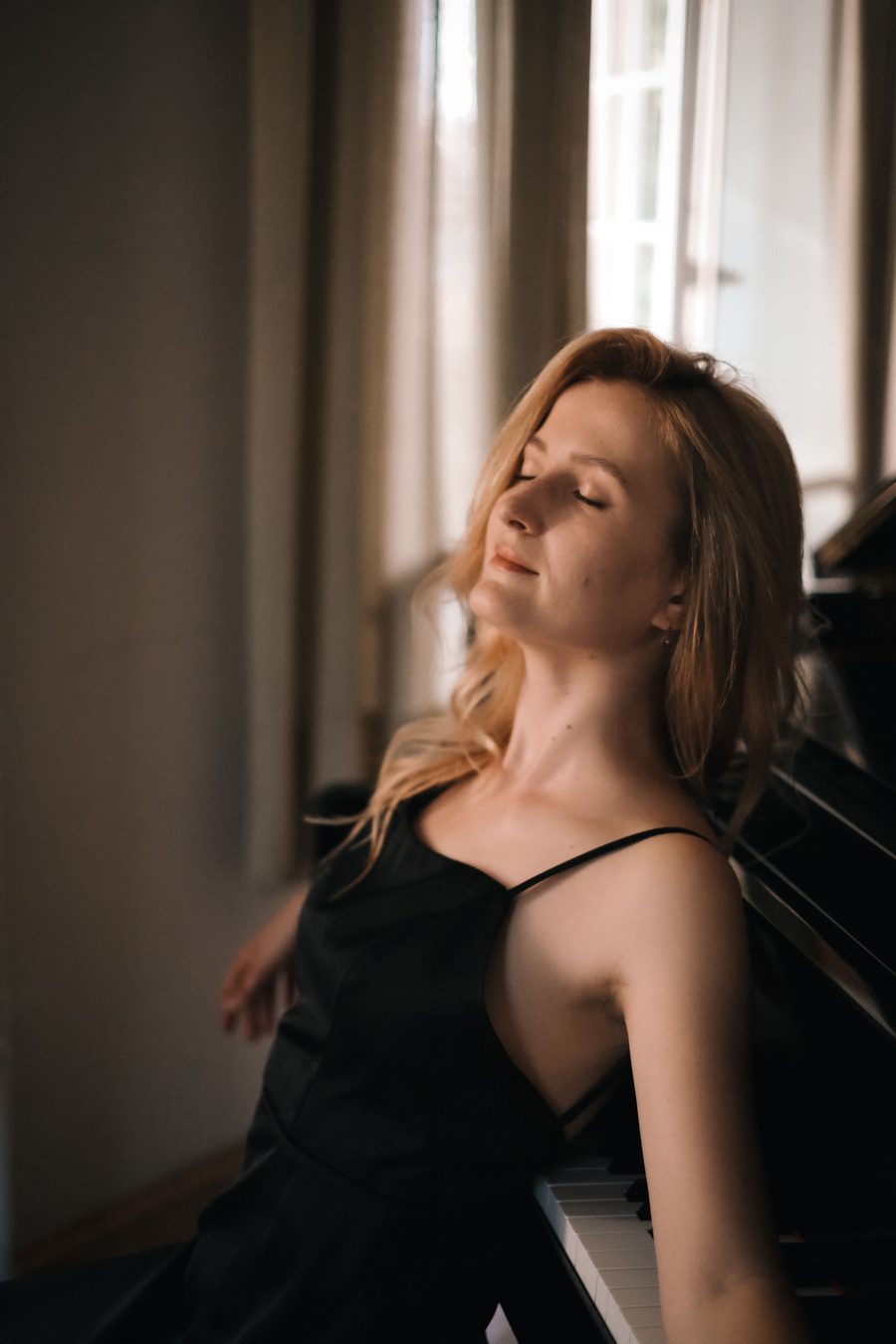
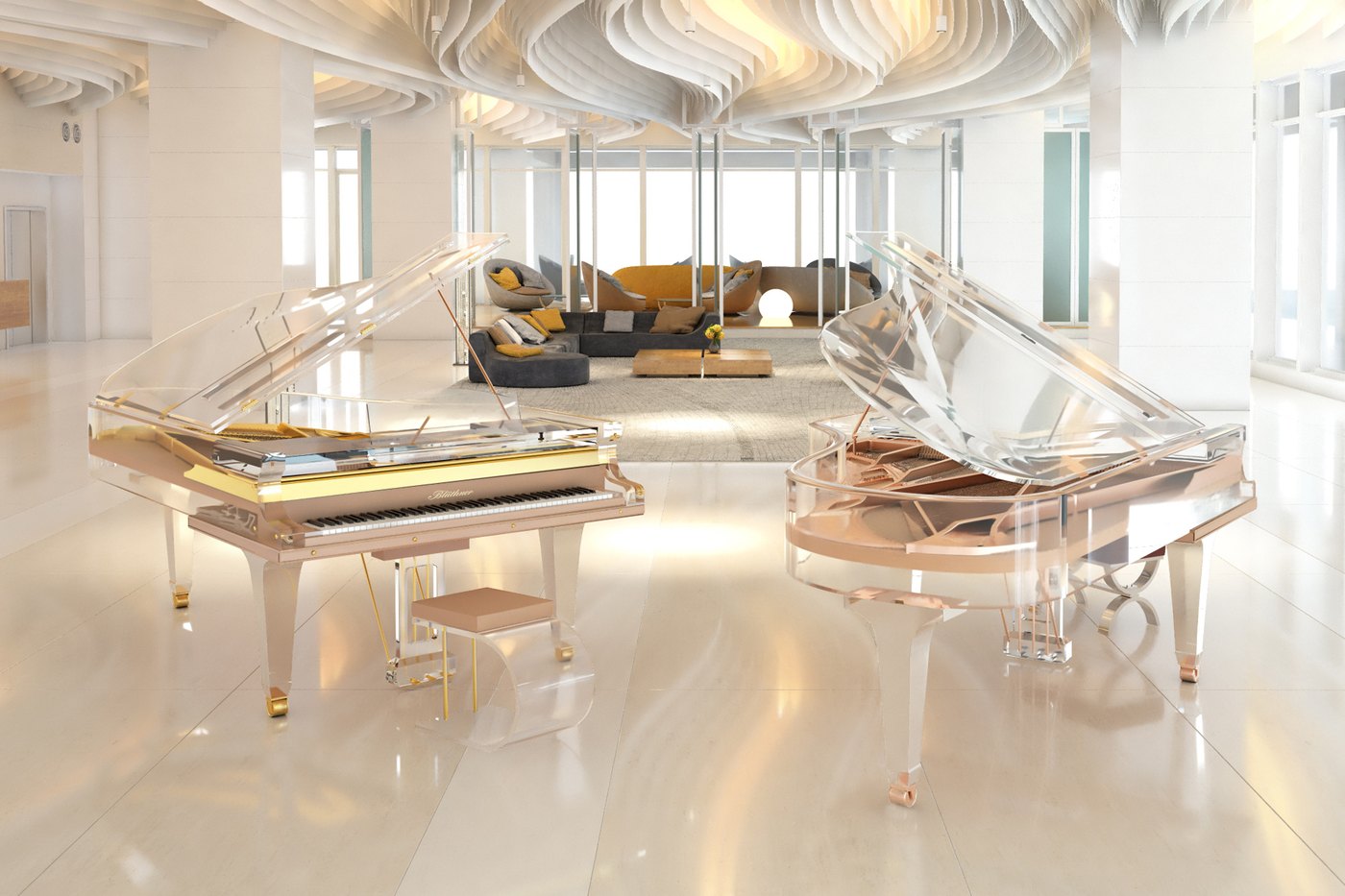
A self-playing piano is more than entertainment, or a striking sight in a hotel lobby or an airport. It brings the greatest joy to those who don't play — or not at a professional level — yet love the true, live sound of the piano, and would rather enjoy beautiful pieces played for real than through a speaker. How often do we hear a lovely piece and think, “if only I could play like that”? It is no longer a dream: now the piano can play for you — whenever you wish, and whatever you choose.
Picture a relaxed party, or simply good friends coming round. How much more pleasant a fine dinner and cocktails become when, in the background, an invisible bar pianist is quietly entertaining your guests.
Still a piano you can play
Converting a piano into a self-playing instrument changes nothing about how you use it — you can still play it by hand, and nothing is disabled or taken away. If anything, it gains new uses: it helps with learning and can be used for remote lessons; you can sing along with it, or play another instrument while the piano accompanies you. You can even record your own playing and play it back, preserving the way you play for years to come.
Bring a family piano back to life
Many people own a piano that has been in the family for years — perhaps even your grandmother played on it. That instrument can sing again, filling the home with music once more, even if no one plays today.
A whole orchestra in your room
A self-playing piano needn't play alone. If you wish, a jazz band — or even a full symphony orchestra — can be added behind it, so you hear not just the piano but an entire ensemble, right there in your room.
Interested in one for your own instrument? See how to choose an instrument, watch it in action, or read exactly how it works.
Frequently asked questions
What is a self-playing piano?
A self-playing piano is a real acoustic piano — an upright or grand — fitted with a system that plays it automatically. The keys move and the hammers strike the strings, producing the genuine sound of the instrument rather than a recording through a speaker.
Is a self-playing piano the same as a digital piano?
No. A self-playing piano is a real acoustic instrument that produces live, natural sound by playing its own strings. A digital piano uses samples and speakers; a self-playing piano plays exactly as a pianist would, only invisibly.
How does a self-playing piano work?
Electronically controlled actuators are fitted discreetly beneath the keys. Driven by digital music files (MIDI), they press the keys with full control over timing, dynamics and pedalling, reproducing a performance note for note.
Can a self-playing piano still be played by hand?
Yes. Converting a piano to self-playing changes nothing about normal use — you can still play it by hand at any time. The system simply adds the ability for the piano to play on its own.
Does installing a self-playing system damage or change the piano?
No. The system is fitted discreetly and does not alter how the piano looks, feels or sounds. The instrument keeps its full manual playability and its value.
Can any piano be converted into a self-playing piano?
In most cases, yes. Systems can be fitted to new or used uprights and grands of virtually any make, provided the instrument is in sound mechanical condition.
How is a self-playing piano controlled?
From a phone or tablet. You choose from a large library of music or your own recordings, and start or stop playback whenever you like.
Which self-playing piano systems are available?
The most common retrofit systems are QRS PNOmation and Pianoforce. Both are controlled from a phone or tablet and offer large music libraries, with custom content available on request.
What is the difference between a player piano, a reproducing piano and a self-playing piano?
They describe the same idea. Early player pianos used paper rolls; modern self-playing (or reproducing) pianos are digital, far more expressive, and can be fitted to almost any piano.
Can a self-playing piano play together with an orchestra?
Yes. A self-playing piano can be synchronised with an audio backing track — from a jazz band to a full symphony orchestra — so you hear the piano within a complete ensemble.
Can it play my own music or recordings?
Yes. Custom pieces and arrangements can be prepared on request, and you can record your own playing on the piano and play it back later.
Where can a self-playing piano be installed?
Anywhere — a home, hotel, restaurant, yacht or concert hall. Installation is carried out on-site, worldwide.
Thinking about which system to go for? See the main self-playing piano systems and how to choose.